


 Basket (
 Main Menu


Sweet Chestnut - Buy Online
Sweet Chestnut is a durable timber that while not as hard or strong as oak is easy to work with and finishes well, capable of taking a high polish. Sweet Chestnut is often used in the making of furniture.
Get prices for Sweet Chestnut
Please note that these images are to illustrate product type only and are not species specific.
Sweet Chestnut Information
Appearance
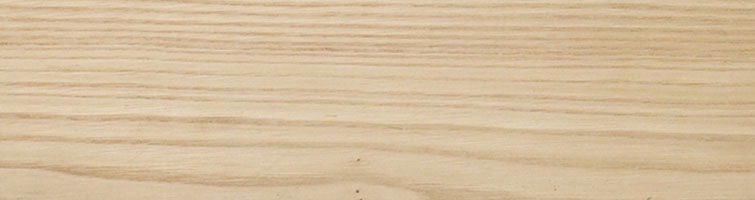
Sweet Chestnut is yellowish-brown in colour, similar to oak, with a straight or spiralled grain.
Other Names
Spanish chestnut, European chestnut. Castanea sativa, Family: Fagaceae.
Distribution
The tree occurs from south-west Europe, including Britain, northwards to France, south-west Germany and Austria, in North Africa and Asia Minor.
The Tree
In favourable situations sweet chestnut attains a height of 30m or more and a maximum diameter of 1.8m with a straight, unbranched bole of about 6m, but in less favourable conditions, the undivided bole is little more than 3m long after which it divides off into several huge limbs so that the general character of the tree is altered.
The Timber
The sapwood is narrow, and distinct from the heartwood which is yellowish-brown in colour, closely resembling oak in appearance but lacking the silver-grain figure characteristic of that timber, resulting from the finer rays. The grain may be straight, but is more commonly spiral, particularly in wood from old trees, while logs are liable to cup and ring-shake. It weighs about 560 kg/m3 when dried. On account of its somewhat acidic character chestnut tends to accelerate the corrosion of metals, particularly when moist. It also contains tannin, as a result of which blue-black discolourations are prone to appear on the wood when it comes into contact with iron or iron compounds.
Drying
The timber is rather difficult to dry, retaining its moisture in patches, and tending to collapse and honeycomb ; this form of defect does not respond well to reconditioning treatments.
Strength
Although resembling oak in appearance, chestnut is less hard and tough, and some 20 per cent inferior in all its strength properties to that timber.
Durability
Durable.
Working Qualities
Easy to work and finishes excellently. Takes nails, glue, stains and polish well.
Uses
Furniture, coffin boards, turnery, sometimes as a substitute for oak, Chestnut poles are used for cleft fencing and hop poles.